

Technical knowledge centre

Specify with the numbers our engineers use.

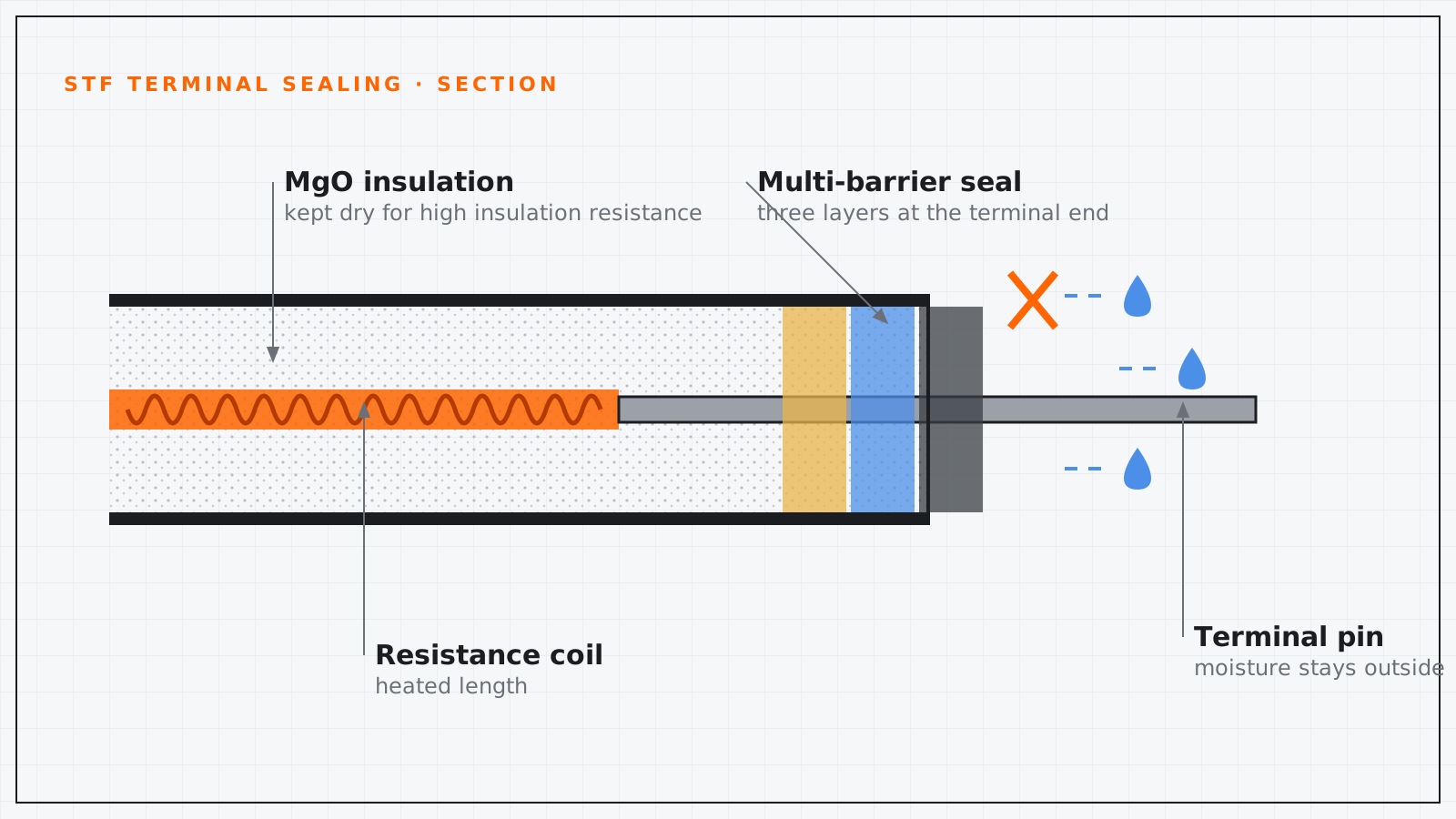
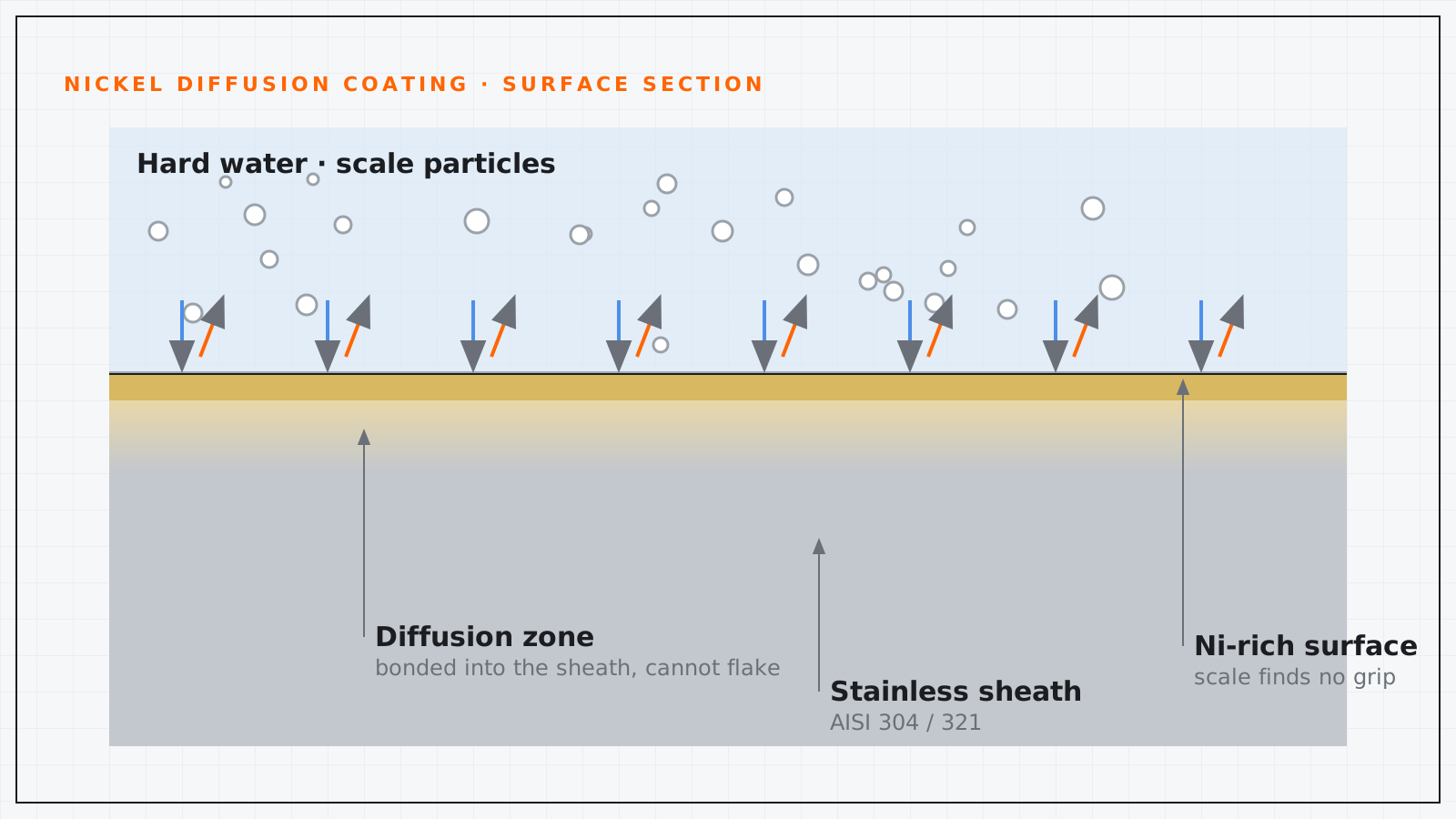
A tubular element is a coil, compacted MgO, a metal sheath and two terminals. Its life is decided by a few values: watt density on the heated sheath, sheath alloy, cold zones and the terminal seal.

This centre collects the rules, master values and documents our engineering team applies when it reviews a drawing – grouped by what you need to do next. Values are typical ranges for a first design iteration; the final design is validated in our laboratory.

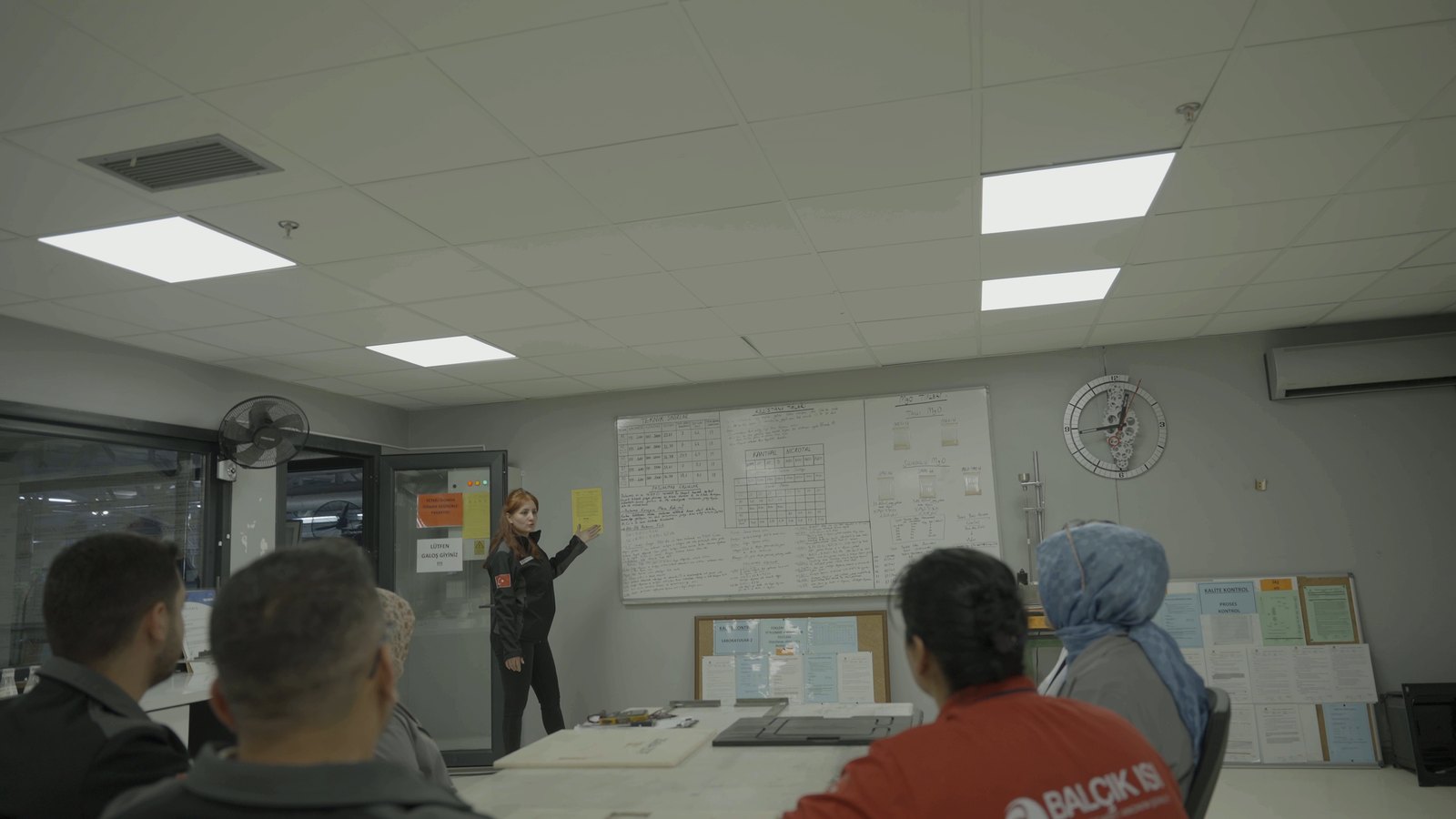
Engineers in a technical training session at the whiteboard in the BALÇIK TORMEC plant Engineering team

Check a value

Look it up before you calculate.

Master values for eight product groups, three calculators, the vocabulary of our drawings and answers to the questions OEM projects raise first.

A note on numbers: the values on these pages are typical ranges for a first design iteration, not guarantees. If your application sits at the edge of a range, say so in the RFQ – that is where co-design pays off.

The people behind the formula

Ohm, Joule, Marsh – and the engineers who build on their work every day.

Tubular heating elements rest on three discoveries. We owe them every calculation on these pages.

1827

Georg Simon Ohm

U = I · R

In his book Die galvanische Kette, mathematisch bearbeitet (1827), Ohm showed that current is proportional to voltage and inversely proportional to resistance. Every element we design starts with his law – combined with P = U · I it gives R = U² / P.

1841

James Prescott Joule

Q = I² · R · t

Joule measured the heat produced by a current in a conductor. Watt density, sheath temperature and element life are all consequences of his first law.

1906

Albert L. Marsh

NiCr 80/20

Marsh patented the nickel-chromium alloy that survives red heat in air – the resistance wire that made the electric heating element possible.

1959

Süleyman Balçık

R = U² / P

Our founder learnt Ohm’s law during his military service, used it to size his nickel-chromium wire and wound his first spiral elements in Ulus, Ankara.

A question these pages do not answer?

Send the drawing or the application data. Our engineering team reviews it and proposes materials, geometry and test values for your appliance.

Engineered and made in Ankara · since 1959

Turning electricity into trust since 1959.

Three generations of know-how, our own welded tube and brazing lines, an engineering team with its validation laboratory and a 100 % electrical test on every element – so the heat inside your product is the one thing you never have to worry about.

TOP

BALÇIK TORMEC · Technical Knowledge Centre

Design guide, calculators, design parameters, specifications, glossary, FAQ and downloads for specifying tubular heating elements, by BALÇIK TORMEC.

BALÇIK TORMEC has designed and manufactured tubular heating elements since 1959 – founded in Ankara, and at its Kahramankazan plant since 2000 – series and custom production to your drawing, VDE-approved element families, ISO 9001:2015, exports to more than 60 countries.

Technical · related pages